
Understanding MWAN Waste Management Regulations in Saudi Arabia
What the National Center for Waste Management (MWAN) framework requires, and how industrial waste generators stay compliant across collection, transport, treatment, and disposal.
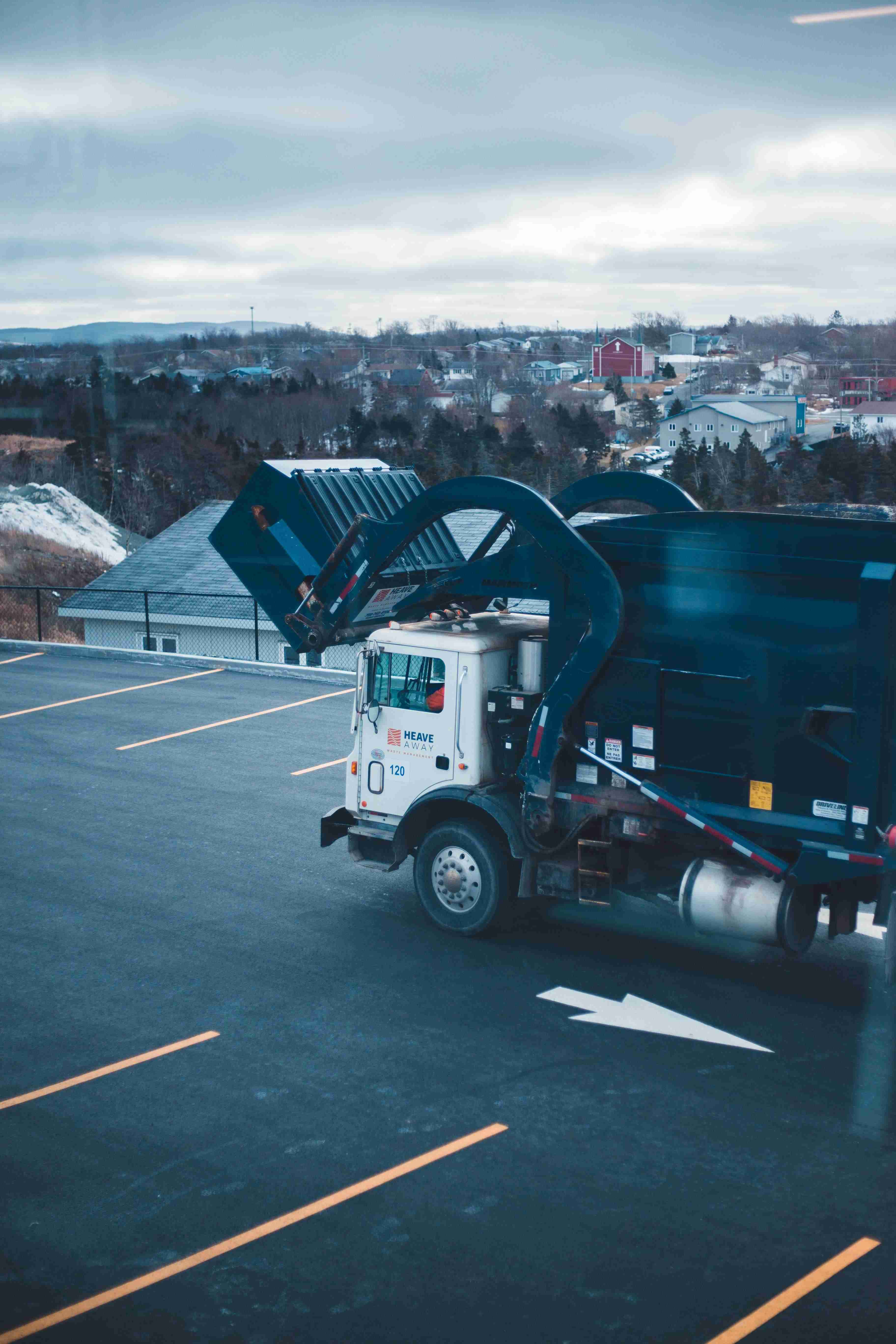
Waste management in Saudi Arabia has moved from an afterthought to a regulated, documented, and audited part of every industrial project. At the centre of that shift is MWAN — the National Center for Waste Management — which sets the framework that governs how waste is collected, transported, treated, and finally disposed of across the Kingdom.
For any facility that generates waste at scale — a refinery turnaround, a construction camp, a petrochemical plant, or a logistics yard — understanding this framework is no longer optional. Non-compliance carries regulatory, reputational, and operational risk. This guide breaks down what the framework covers and what it means in practice for waste generators and the contractors who serve them.
What is MWAN?
MWAN is the national regulator responsible for organising and supervising the waste sector in Saudi Arabia. Its remit sits squarely within Vision 2030's environmental objectives: reducing landfill dependence, increasing recycling and resource recovery, and building a transparent, licensed waste economy. In practical terms, MWAN licenses the operators who are permitted to handle waste and defines the standards they must meet.
The important shift for waste generators is one of accountability. Under the framework, responsibility does not end when waste leaves your gate. Generators are expected to ensure their waste reaches an authorised destination through a licensed operator, with documentation to prove it.
The four licence categories
MWAN licensing is generally structured around distinct activities in the waste chain. A single operator may hold one or several of these, and it is worth confirming exactly which activities a service provider is licensed for before awarding work:
- Collection — gathering waste from the point of generation.
- Transport — moving waste between sites using compliant, tracked vehicles.
- Treatment — processing waste to reduce hazard, volume, or to recover material.
- Disposal — final placement at an authorised facility.
A contractor without a required category cannot legally perform that step alone — which is exactly why the compliance chain, and the use of licensed partners, matters so much.
The compliance chain: from gate to final destination
The heart of a compliant operation is traceability. Every movement of regulated waste should be documented from collection through to final treatment or disposal. A robust reporting process typically includes:
- Waste identification and classification — confirming the waste type, source, estimated quantity, and handling requirements.
- Collection records — logs capturing vehicle details, date and time, site location, and client acknowledgement.
- Transport manifests — dispatch records and, where required, GPS tracking maintained throughout transit.
- Receiving-facility documentation — waste acceptance confirmation issued by the authorised treatment, recycling, or disposal facility.
- Disposal or treatment confirmation — disposal certificates, recycling certificates, or weighbridge tickets.
- Client reporting — consolidated manifests, trip summaries, quantities handled, and monthly reports for audit purposes.
Why manifests matter
A waste manifest is your evidence trail. If a regulator, client HSE auditor, or environmental review ever asks where a load of industrial waste ended up, the manifest and the matching disposal certificate are what protect you. Skipping documentation to save time is one of the most common — and most costly — compliance failures.
Working with licensed partners during transition
Not every capable operator holds every licence on day one — MWAN approvals take time to secure. The compliant approach in the interim is transparent: execute regulated waste movements through licensed MWAN-approved partners while maintaining full documentation throughout the chain, rather than cutting corners.
This is precisely how Forza Nova operates today. Our MWAN collection and transport licences are under process, and in parallel we are developing proprietary, patent-pending waste treatment technology. Until those licences and facility approvals are issued, we manage waste through an established network of authorised facilities — including operators such as Reviva (GEMS), SMIW, Estedama, Shawamel, AES Arabia, the National Water Company, Global Environmental Services, Beeah, and EDCO — selecting the right facility for each waste stream, location, and regulatory classification. Through this model we currently coordinate roughly 5,000 m³ of sanitary waste and 12,000 tonnes of general and scrap waste per month, all fully documented.
Recycling, recovery, and the circular economy
The framework does not just regulate disposal — it actively pushes waste up the hierarchy toward recovery. Segregating waste at source, diverting recyclable metals, wood, plastics, and construction debris to licensed recycling facilities, and sending only non-recoverable material for final disposal is both a regulatory expectation and a commercial opportunity. Treating waste as a potential resource, rather than a cost to be dumped, is the direction the entire Kingdom is moving.
What this means for your project
If you generate industrial waste in Saudi Arabia, three questions should drive your contractor selection: Which MWAN licence categories does the operator hold, and where they don't hold one, who is the licensed partner? Can they provide a complete, auditable manifest trail from collection to final destination? And do they segregate for recovery, or simply haul to landfill? Getting clear answers up front protects your project long after the waste has left site.
Frequently Asked Questions
Need Support on a Live Project?
Our team is ready to help with maintenance, environmental, logistics, and project-support scopes across the Kingdom.
Contact Forza Nova